There’s a special kind of parenting panic that happens when you hear another child doing something yours hasn’t quite figured out yet. Maybe your friend’s toddler is speaking in full sentences, your neighbor’s preschooler can write their name, or someone on social media has a three-year-old who apparently knows the entire periodic table.
Suddenly, you’re wondering whether your own child should be doing more.
It’s natural to compare milestones, especially when you want to make sure your child is developing as expected. But childhood development isn’t a race, and children don’t all acquire skills at exactly the same pace.
Development Isn’t a Straight Line
Early childhood involves growth across many areas, including language, movement, social interaction, emotional regulation, and thinking skills.
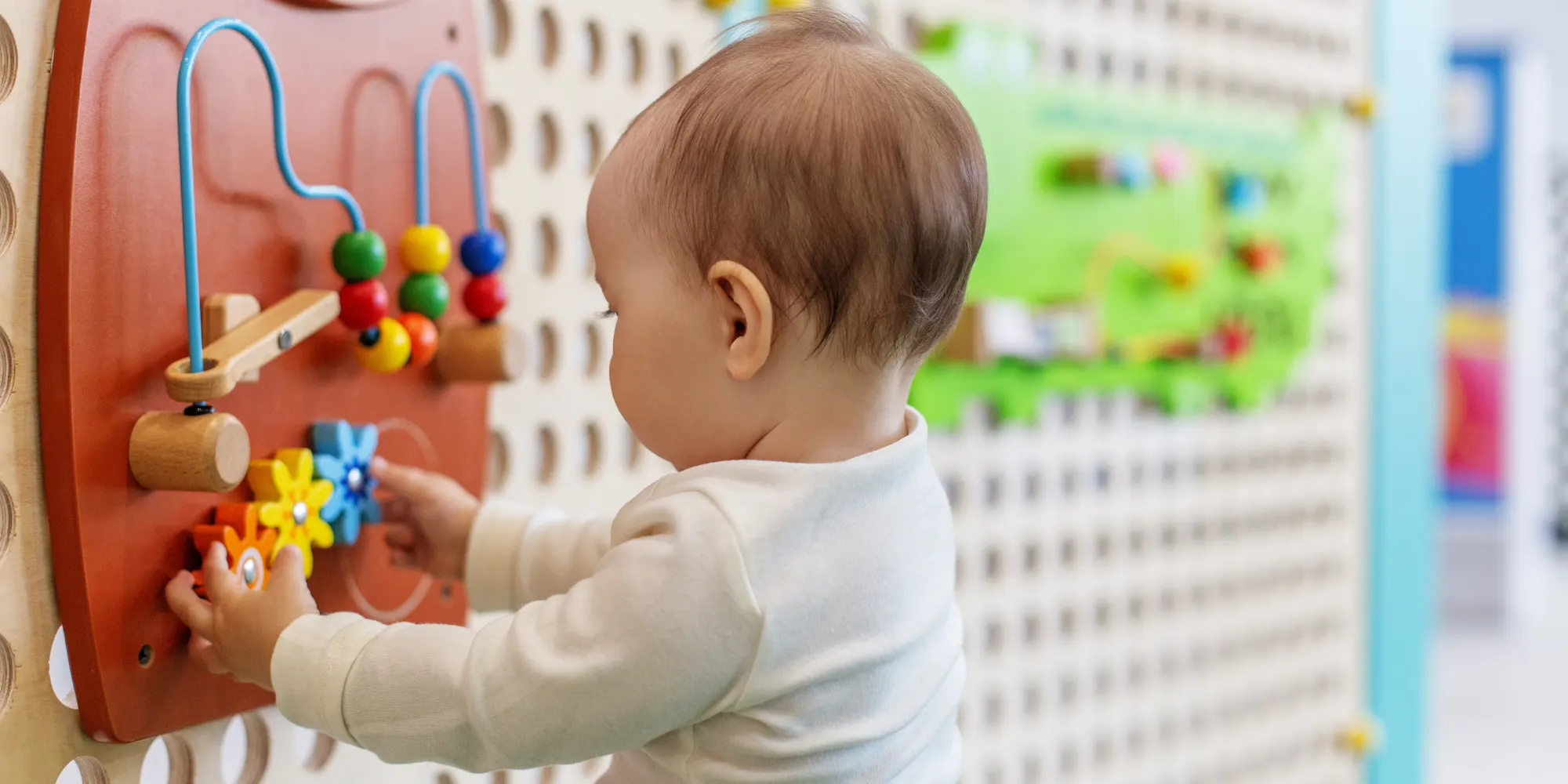
Children may progress differently across these areas. One child might become an enthusiastic talker early on, while another is especially interested in climbing, building, or solving puzzles.
Developmental milestones provide useful information about typical patterns of growth, but they aren’t a competition or a ranking system.
That said, milestones do matter. If your child isn’t meeting expected milestones, loses skills they previously had, or you have concerns about their development, it’s important to speak with their pediatrician rather than assuming they’ll eventually catch up.
Focus on Progress, Not Comparison
Instead of comparing your child to someone else’s, try noticing how their abilities are changing over time.
Maybe they couldn’t complete a puzzle a few weeks ago but now understand how the pieces fit together. Perhaps they’re beginning to use new words, show interest in other children, or manage small frustrations with a little more confidence.
These accomplishments might not look impressive in a social media post, but they’re meaningful signs of learning and development.
Providing opportunities for play, conversation, movement, and exploration can help support that growth. Children also benefit from encouragement and responsive interactions with the adults around them.
Supporting Individual Growth at Kidz Watch
At Kidz Watch, we recognize that children bring different personalities, interests, and developmental needs into early learning environments.
Our use of The Creative Curriculum supports development across multiple areas, allowing learning to extend beyond a single academic skill or milestone.
Through age-appropriate experiences, children have opportunities to build confidence, explore their interests, and practice new abilities.
We believe early education should recognize the whole child, not simply how quickly they can complete a particular task.
Childhood Isn’t a Competition
It’s understandable to want reassurance that your child is doing well. But comparing every accomplishment to someone else’s timeline can make it difficult to appreciate the progress happening right in front of you.
Celebrate the new words, the growing independence, the creative ideas, and the small moments of confidence. Ask questions and seek professional guidance when developmental concerns arise, but remember that children bring different strengths to the learning process.
Your child doesn’t need to be the first to accomplish everything.
They deserve the support and encouragement to keep growing.
Looking for an early learning environment that values whole-child development? Explore the infant, toddler, and preschool programs at Kidz Watch.