Long before children begin sounding out words or reading their first books independently, they’re developing skills that help prepare their brains for literacy. And some of that learning happens in surprisingly ordinary moments, like singing a favorite song, listening to a bedtime story, or making up silly rhymes in the car.
These experiences might not look like traditional reading lessons, but they can play an important role in helping children understand how language works.
That’s one of the fascinating things about early literacy: learning to read begins well before a child can recognize words on a page.
What Is the Science of Reading?
The Science of Reading refers to a large body of research that helps explain how people learn to read and which instructional practices support that process.
One important part of reading development involves understanding that spoken words are made up of individual sounds and learning how those sounds connect to written letters.
This is why early skills such as phonological awareness, vocabulary development, and letter knowledge matter. They’re part of the foundation children build before and during formal reading instruction.
For preschoolers, these concepts can be introduced through developmentally appropriate activities that encourage listening, talking, and exploring language.
The Little Activities That Build Big Skills
Think about what happens when you sing a nursery rhyme with your child. They’re hearing rhythm, repetition, and patterns in language. When you play a rhyming game, they’re practicing noticing similarities between spoken words.
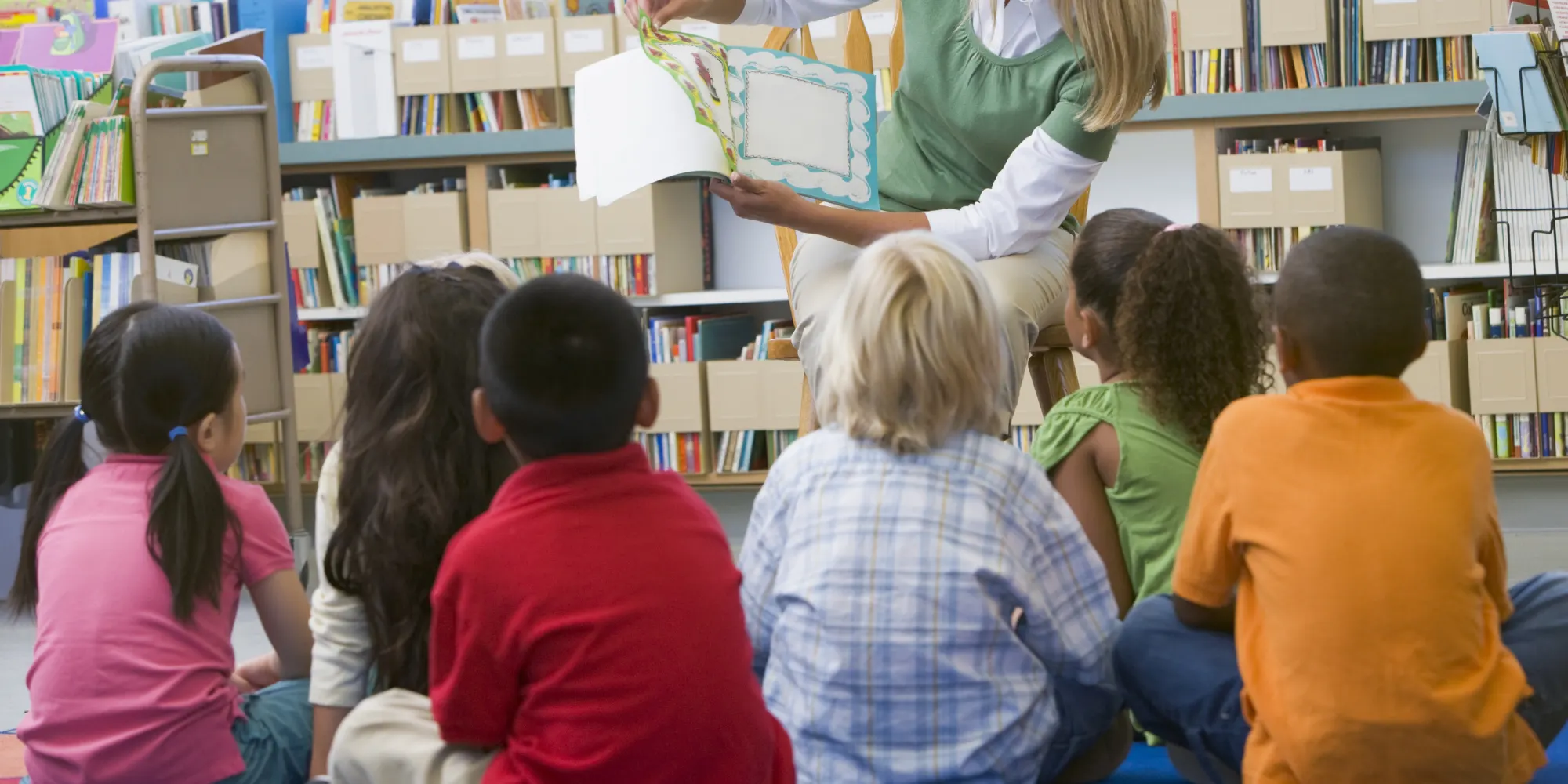
Reading aloud also introduces children to vocabulary they might not encounter in everyday conversations. Asking questions about a story, discussing unfamiliar words, and encouraging children to describe pictures can help develop language comprehension.
Even ordinary conversations matter. When children ask questions, explain their ideas, or tell imaginative stories, they’re practicing important communication skills that support later literacy development.
These activities don’t replace explicit reading instruction when children are ready for it, but they help establish valuable early foundations.
Building Early Literacy at Kidz Watch
At Kidz Watch, our preschool program uses The Creative Curriculum, which supports language and literacy development alongside other important areas of early learning.
We recognize that literacy development involves more than simply memorizing the alphabet. Children benefit from opportunities to listen, communicate, explore books, develop vocabulary, and become familiar with the sounds and structures of language.
The Science of Reading helps us understand why these early experiences matter and how they connect to the skills children will eventually need for independent reading.
Raising Curious Future Readers
Parents don’t need to turn every evening into a formal reading lesson to support early literacy. Reading together, singing songs, playing with sounds, and having meaningful conversations are all wonderful ways to encourage language development.
The goal during the preschool years isn’t to rush children into reading before they’re developmentally ready. It’s to build strong foundations, encourage curiosity, and help children develop a positive relationship with books and language.
Because every confident reader starts somewhere, and sometimes that somewhere is a silly rhyming game at the kitchen table.
Interested in how Kidz Watch supports early literacy and kindergarten readiness? Contact us to learn more about our preschool curriculum.