
The Small Daily Moments That Actually Build School Readiness
When parents hear the phrase “school readiness,” they often picture flashcards, counting exercises, or children sitting quietly at tiny desks.
But in early childhood, readiness for school is usually built through much smaller and less obvious moments.
It happens when a child learns how to wait for a turn. When they ask for help instead of giving up. When they move from one activity to another without becoming overwhelmed. When they begin solving small problems independently.
These moments may not look academic from the outside, but they are some of the strongest foundations for long-term success in school.
Readiness Is About More Than Academics
Many parents feel pressure to make sure their child knows letters, numbers, colors, or shapes before kindergarten.
Those skills certainly matter, but kindergarten teachers consistently emphasize something else.
Children also need to be able to:
- follow routines
- transition between activities
- regulate emotions
- communicate needs
- participate in group settings
- listen and respond to directions
These skills affect how confidently children are able to engage in a classroom environment.
A child who feels emotionally secure and socially comfortable is often better prepared to learn than a child who has memorized academic concepts but struggles with transitions or frustration.
Transitions Teach More Than Parents Realize
One of the most underestimated parts of early childhood development is learning how to transition.
For young children, moving from one activity to another is not always easy.
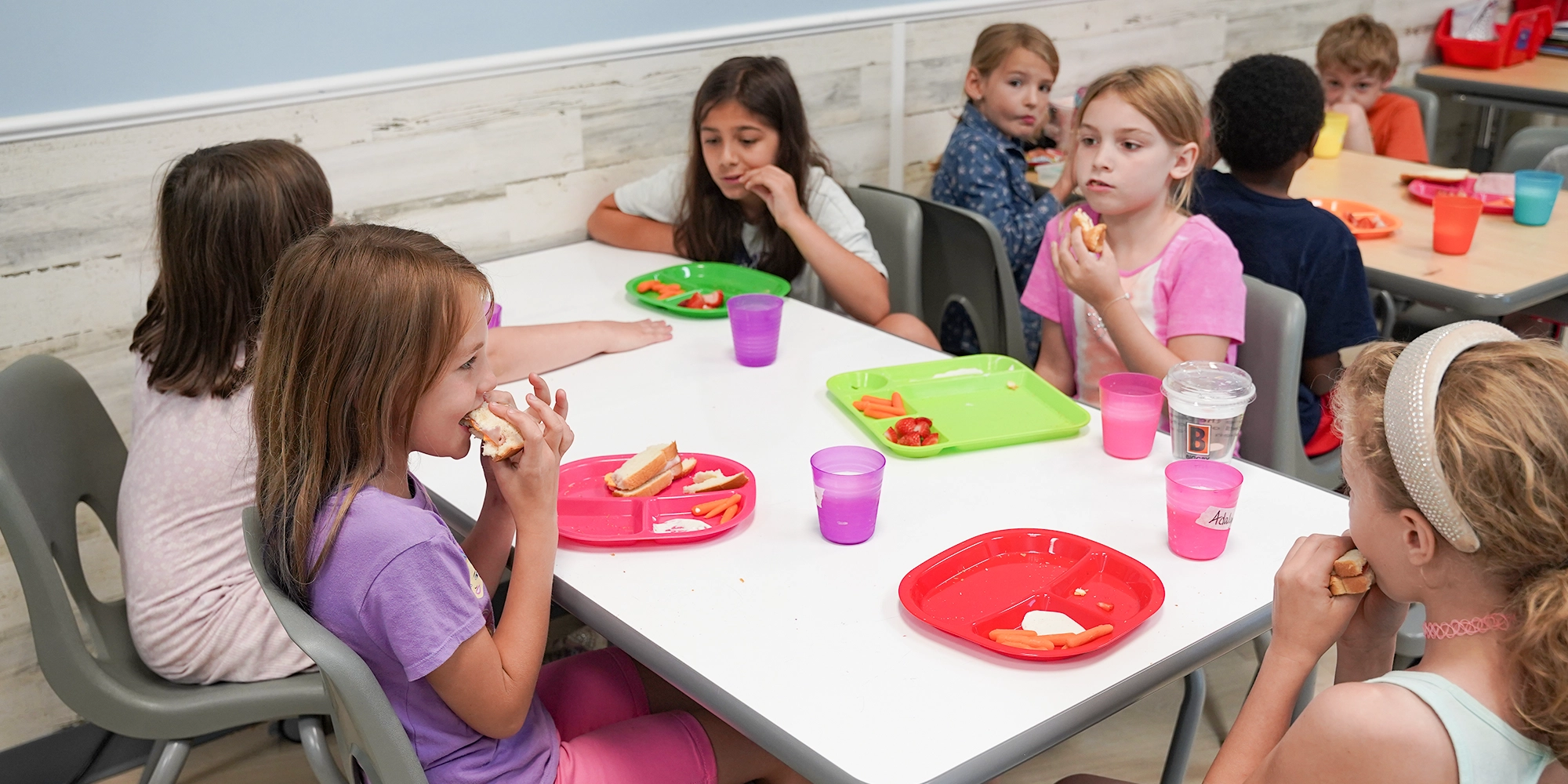
Stopping playtime to clean up. Moving from outdoor play to lunchtime. Sitting for group activities. Leaving parents during drop-off.
All of these moments require emotional flexibility.
At first, many children need support navigating those changes. Over time, predictable routines help them build confidence handling transitions more independently.
That process is incredibly important because school environments naturally involve frequent transitions throughout the day.
Children who gradually build tolerance for those shifts often feel more comfortable entering structured classroom settings later on.
Independence Grows Through Repetition
Many school readiness skills develop slowly through repeated daily experiences.
Things like:
- putting away belongings
- washing hands independently
- cleaning up activities
- choosing between tasks
- following simple routines
- asking teachers for help
These moments may seem small, but together they build confidence.
Children begin to understand that they are capable of participating independently within a group environment.
That confidence matters.
Often, children become more willing to try new things when they feel secure in their ability to handle familiar responsibilities first.
Social Learning Happens Constantly
Children learn an enormous amount simply from being around other children.
In group settings, they observe:
- communication styles
- emotional reactions
- cooperation
- patience
- problem-solving
- conflict resolution
Not every lesson comes directly from adults.
Sometimes children learn by watching how another child handles frustration. Other times they learn by seeing peers follow routines or participate confidently in activities.
Over time, those experiences help children become more socially adaptable.
This is one reason group childcare environments can support school readiness in ways that are difficult to recreate in isolated settings.
Emotional Security Comes First
One of the most important parts of preparing children for school is helping them feel emotionally safe.
Children learn best when they feel secure, connected, and supported.
That emotional safety allows children to:
- participate more confidently
- explore new activities
- communicate openly
- recover from mistakes more easily
- build relationships with teachers and peers
Without that foundation, even academically advanced children may struggle in unfamiliar classroom environments.
This is why strong early childhood programs focus on much more than academics alone.
At Kidz Watch, readiness is not approached as pressure or performance. It is built gradually through routines, relationships, exploration, and consistent support.
Because ultimately, school readiness is not about creating perfect students.
It is about helping children build the confidence, flexibility, and emotional security they need to walk into new environments feeling capable and supported.